
What Makes a Sapphire Worth Keeping

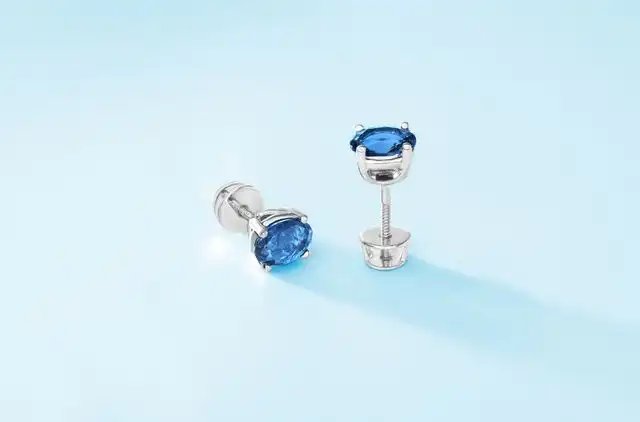
A sapphire can look impressive under a display light and still feel ordinary a year later, while a quieter stone chosen with care becomes the piece you reach for again and again. The difference is rarely luck. It comes down to a handful of qualities that anyone can learn to read: how the color behaves, how the cut releases light, how clean the stone is to the eye, where it came from, and whether the piece suits the life you actually live. Understanding those markers turns a purchase into a decision you can stand behind, and it is a large part of what makes jewelry feel worth keeping rather than replacing.
Color and Saturation as the First Marker
Color is where the eye goes first, and it is the single strongest indicator of a sapphire’s character. The finest blues read as vivid and even, holding their tone from the center of the stone to the edges without washing out or turning inky. Saturation is the depth of that color: too little and the stone looks pale and sleepy, too much and it can go so dark that light struggles to move through it. The sweet spot is a saturated blue that still glows when you tilt it toward a window. Sapphires also come in soft pinks, warm yellows, greens, and near-colorless white, so the goal is not one universal shade but a color that stays lively across ordinary daylight, lamplight, and shade. As you weigh those trade-offs, it helps to think about the whole picture, including what makes jewelry ethical and how the stone was brought to market, because a beautiful color and a responsible origin are not competing goals.
How the Cut Shows the Stone
Cut is the quiet hero. A skilled cutter reads the rough crystal and shapes it to return light evenly, so the sapphire looks bright and alive rather than flat or glassy. Symmetry matters here: facets that meet cleanly send light back to your eye instead of leaking it out the bottom, which is why two stones of identical color can look worlds apart. A well-cut sapphire also wears its color well, spreading tone across the face so the stone never looks patchy. Windowing, where you can see straight through a pale center, is the usual sign that a stone was cut for weight instead of beauty. When you are comparing pieces, tilt each one gently and watch how the light travels; a thoughtful cut rewards that small test every time.
 A well-cut sapphire earns its place in a collection.
Clarity in Plain Terms
Clarity describes the tiny natural features inside a stone, often called inclusions. In sapphires these are normal and expected, and the honest goal is not a flawless crystal but one that looks clean to the unaided eye at a comfortable arm’s length. A few internal marks you cannot see in everyday wear have almost no effect on beauty, and some fine natural inclusions actually help confirm that a stone formed in the earth. What you want to avoid are inclusions large or dense enough to cloud the color, dull the sparkle, or sit in a spot that weakens the stone. A simple, useful habit is to look at a sapphire the way you will really see it: at reading distance, in ordinary light, without a loupe pressed to your eye.
Natural and Lab-Created, Explained Neutrally
Sapphires reach the market by two honest paths, and neither is a trick. Natural stones form over long stretches of geologic time and are mined, then cut and polished. Lab-created sapphires share the same crystal structure and chemistry, grown under controlled conditions that mirror what happens underground. Optically and physically they are true sapphires, not imitations. The practical differences come down to what you value: a natural stone carries the appeal of rarity and a one-of-a-kind origin, while a lab-created stone offers consistency and a transparent supply story. Here is a quick way to frame the choice:
- Natural: formed in the earth, valued for rarity and individual character, each stone slightly unique.
- Lab-created: grown in controlled conditions, chemically identical, prized for consistency and a clear origin trail.
- Either way: ask for plain disclosure of which you are buying, and any treatment the stone has had.
The right answer is simply the one that matches your priorities once you know exactly what you are looking at.
Sourcing and Why It Matters
Where a sapphire comes from shapes both its story and your confidence in it. Provenance is not only about a famous region name; it is about a chain you can trace, from the ground to the setting, with disclosure at each step. A seller who can tell you where a stone originated, whether it was treated, and how it moved through the supply chain is giving you the information that separates a keepsake from a question mark. Responsible sourcing also touches the people and places behind the stone, which is why so many thoughtful buyers now treat transparency as a core quality marker rather than a bonus. If you are exploring options, browsing a curated range of blue sapphire jewelry is a useful way to see how clear sourcing and honest description look in practice, and to set a standard for what you expect elsewhere.
Choosing Pieces You Will Actually Wear
The most beautiful sapphire in the world is wasted if it lives in a drawer. A piece worth keeping fits the rhythm of your days: the settings you can wear without fuss, the color that flatters your skin and your wardrobe, the scale that feels like you rather than a costume. Think about where the piece will go, from a workday to a quiet dinner, and choose a design that carries across those moments instead of one that only works on a single occasion. Metals matter too, though in a supporting role; a clean, well-made setting protects the stone and frames the color without shouting over it. When a sapphire earns a regular place in how you dress, it stops being an object you own and becomes part of how you show up.
The Takeaway
A sapphire worth keeping is not defined by a single dazzling feature but by how its qualities line up: a living color, a cut that returns light, clarity that reads clean to the eye, an origin you can trace, and a design that fits your real life. Learn to read those markers and you stop chasing the flashiest stone in the case and start recognizing the one that will still feel right years from now. That is the quiet difference between a purchase you forget and a piece that stays with you.


